An air-filled membrane structure is an architectural structure primarily composed of flexible membrane materials, which are inflated to form a spatial structure with a specific shape and load-bearing capacity.
This structure relies mainly on internal gas pressure to maintain the shape of the membrane material and withstand external loads.
The membrane material is typically selected from high-strength, weather-resistant, and flexible materials, such as polyvinyl chloride (PVC) coated fabrics and ethylene-tetrafluoroethylene copolymer (ETFE).
These materials not only meet the structural strength requirements but also possess excellent airtightness, ensuring the stable maintenance of internal gas pressure.
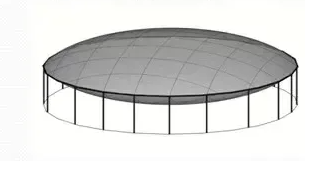
Spherical and Hemispherical Shapes
These designs are commonly found in small inflatable structures, such as inflatable domes. They are shaped like complete spheres or hemispheres, offering excellent spatial integrity and symmetry. They provide a large internal space and relatively uniform stress distribution, effectively dispersing external loads.
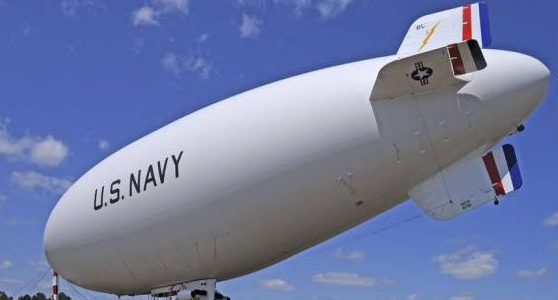
Cylindrical
These cylindrical, air-filled membrane structures typically have a regular rectangular appearance and are commonly used in places requiring spatial continuity, such as corridors and long passageways. Their sides are cylindrical, and the ends can be designed to be closed or open depending on the specific needs.
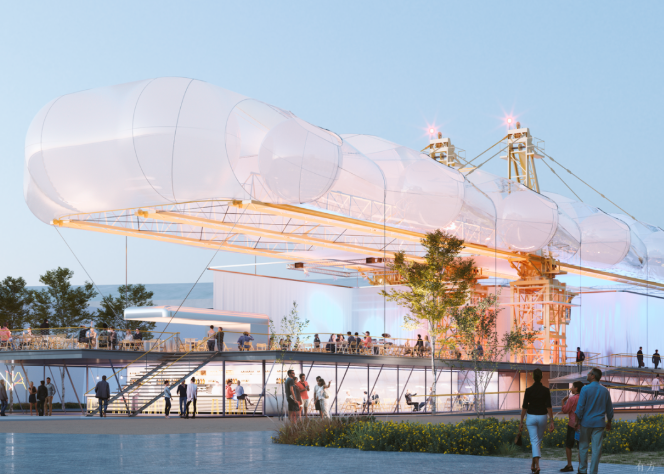
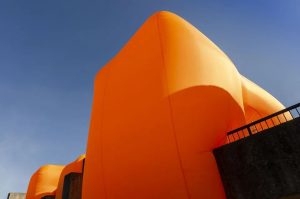
With continuous innovation in design concepts, air-bag membrane structures can achieve various irregular shapes. Designers can control the cutting and inflation methods of the membrane material according to site conditions, functional requirements, and aesthetic demands, shaping unique spatial forms and bringing a strong visual impact to the architecture.
Working Principle of Air-bag Membrane Structures
This uniform tension distribution on the membrane surface allows the membrane structure to maintain a stable shape. Simultaneously, external loads (such as wind and snow loads) are transmitted through the membrane to the internal gas pressure, which is resisted by the combined action of gas pressure and membrane tension. For example, under wind loads, the tension on the windward side of the membrane increases to resist the thrust of the wind; under snow loads, the downward deformation of the membrane causes the internal gas pressure to adjust accordingly to maintain structural stability. Based on the balance between gas pressure and membrane tension, when gas is injected into the membrane, the internal gas pressure causes the membrane to expand outward, thus generating tension.
Core Advantages of Airbag-Type Membrane Structures:
**Fast Construction:** Lightweight components and easy installation reduce construction time by over 50%;
**Cost Optimization:** Material savings of 30% + reduced labor costs;
**Design Freedom:** Can support complex curved surfaces/unconventional shapes;
**Green and Recyclable:** Over 80% reusable after disassembly;
**Usage Precautions:**
**Strict Sealing:** Regular leak checks are required (recommended quarterly);
**Load Limits:** Snow load ≤ 50 kg/m² / Wind load ≤ 0.5 kN/m²;
**Service Life:** Traditional membrane materials have a service life of 8 to 15 years.

She has over 20 years of experience in tensile membrane structure design, engineering, and manufacturing, with extensive expertise in delivering custom solutions for commercial and architectural projects.