Choosing between a single-layer ETFE roof and an ETFE cushion roof is not simply a matter of choosing one or more layers of film. Although both systems use lightweight, light-transmitting ETFE foil, they differ in how they are supported, how well they insulate, and what they cost to operate and maintain.
If you need a roof mainly for rain protection and daylight over an open or semi-open space, a single-layer ETFE system may be a practical starting point. If your project is an enclosed atrium, greenhouse, or skylight where indoor temperature matters, an insulated ETFE cushion system is often worth considering. Some projects use both.
This guide compares the two roof systems in plain English and uses real Yexing projects to show where single-layer ETFE and inflated cushions make sense.
What Is the Difference Between Single-Layer ETFE and ETFE Cushion Roofs?
The main difference is how the ETFE film is supported and whether the roof uses an air-filled cavity.
A single-layer ETFE roof uses one sheet of film tensioned between perimeter fixings, cables, and/or structural frames. Its shape is maintained by the engineered tension and support system. It does not need inflation equipment.
An ETFE cushion roof uses two or more sheets of film sealed around their edges. Low-pressure air between the layers keeps each cushion inflated. The air pockets also improve thermal insulation. The cushions still rely on frames and the main building structure to carry roof loads.
Think of it this way: a single-layer ETFE roof is a tensioned, lightweight covering, while an ETFE cushion roof is an air-filled, multi-layer covering with added thermal performance.
| Feature | Single-Layer ETFE Roof | ETFE Cushion Roof |
|---|---|---|
| Roof construction | One tensioned ETFE foil layer | Two or more sealed ETFE foil layers with low-pressure air |
| Thermal insulation | Limited insulation on its own | Generally better insulation due to the air chambers |
| Daylight | High light transmission is possible. | Good daylight is still possible; it varies by layers and surface treatment |
| Equipment | No inflation unit normally required | Requires an inflation unit, air supply, and pressure monitoring |
| Maintenance | Inspect foil, fixings, support details, and drainage. | Also maintain inflation equipment, pipework, and cushion seals. |
| Common uses | Stadium canopies, walkways, and semi-open spaces | Enclosed atriums, greenhouses, and climate-controlled skylights |
Why Enclosed Buildings Often Use ETFE Cushions
Start with one question: Does the space below your roof need to maintain a controlled indoor temperature?
For an open stadium stand or outdoor canopy, the main goals may be keeping rain out, admitting daylight, and achieving the desired roof shape. Thermal insulation may be less important, so a single-layer ETFE roof can be a sensible option.
In an enclosed shopping mall atrium, greenhouse, or air-conditioned skylight, heat transfer through the roof matters more. An ETFE cushion has one or more air chambers between its film layers, which helps slow heat transfer between indoors and outdoors.
A useful way to compare insulation is the U-value. A lower U-value generally means less heat passes through the roof because of the temperature difference. Architen’s ETFE design guide provides these illustrative system values:
- Single-layer ETFE: approximately 5.6 W/(m²·K)
- Two-layer ETFE cushion: approximately 2.9 W/(m²·K)
- Three-layer ETFE cushion: approximately 1.8 W/(m²·K)
These are supplier examples, not guaranteed values for every ETFE roof. Actual thermal performance depends on the foil build-up, cavity geometry, perimeter framing, and tested or calculated assembly.
There is one important distinction: better insulation does not automatically mean better protection from intense sunlight. In hot climates, the amount of solar heat entering through the roof also needs to be managed through film treatment, shading, and ventilation.
Which ETFE Roof Feels More Comfortable?
Both single-layer ETFE and ETFE cushions can bring natural light into a building. The real difference is not simply that one is transparent and the other is not—it is how much light and solar heat the finished roof lets through.
A clear single ETFE layer can provide abundant daylight. Multi-layer cushions can also admit plenty of light, with performance adjusted through the number of layers, printed patterns, translucent or frosted films, and other suitable treatments.
For example, a shopping-mall atrium should feel bright during the day without exposing visitors to harsh glare or excessive heat. This balance is particularly important for projects in Southeast Asia and the Middle East, where strong sunshine may be a major design concern.
When comparing proposals, ask for both visible light transmission and solar heat gain information. The best roof is not necessarily the one that lets in the most light; it is the one that creates the right conditions for the people and activities below.
Which ETFE Roof Offers Better Value?
The lower-priced ETFE film is not necessarily the lower-cost roof. To compare the two systems fairly, look at the complete installed roof and its operating requirements.
Compare the Whole Roof System
A single-layer ETFE roof normally has a simpler equipment arrangement because it does not need inflation. An ETFE cushion roof uses multiple film layers and also needs air-handling equipment, pipework, pressure controls, and commissioning. This can increase system complexity, but it does not mean every cushion project costs more overall.
Roof span, steelwork, perimeter framing, installation access, and site conditions can all affect the final quotation. In air-conditioned buildings, improved roof insulation may also influence energy use over time—something to assess for the actual project rather than assume.
Check the equipment as well as the film
Both systems need periodic inspections of the film, perimeter fixings, and drainage. A cushion roof also needs maintenance of the inflation unit, air pipes, seals, and pressure-monitoring controls. The system automatically tops up air as required; its fans do not necessarily run at full speed continuously.
Before approving a proposal, check whether the quote includes engineering, fabrication, connections to the supporting structure, installation, inflation equipment, commissioning, and after-sales support. This gives you a more useful comparison than a price per square meter of ETFE foil alone.
The system that meets your performance targets at an acceptable total construction and life-cycle cost—not just the one with the lowest initial figure.
Real Projects: How Single-Layer ETFE and ETFE Cushions Are Used
Real projects help explain how ETFE roof choices work in practice. The Yexing examples below include one large single-layer roof and two types of inflated-cushion applications.
Qingdao Youth Football Stadium: Single-Layer ETFE for a Large Stadium Roof
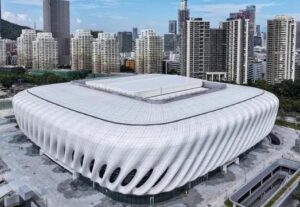
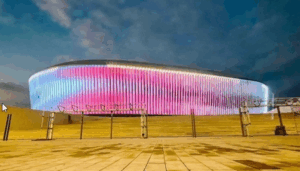
At Qingdao Youth Football Stadium in China, Yexing supplied a single-layer ETFE membrane roof package covering approximately 23,687 m². The published project specification identifies 250 μm clear and frosted ETFE foil. Yexing’s work included detailed membrane design, material supply, and installation.
This project shows that single-layer ETFE is not limited to small canopies. With the right support design, it can be used on a major stadium roof where architectural form and natural light are important.
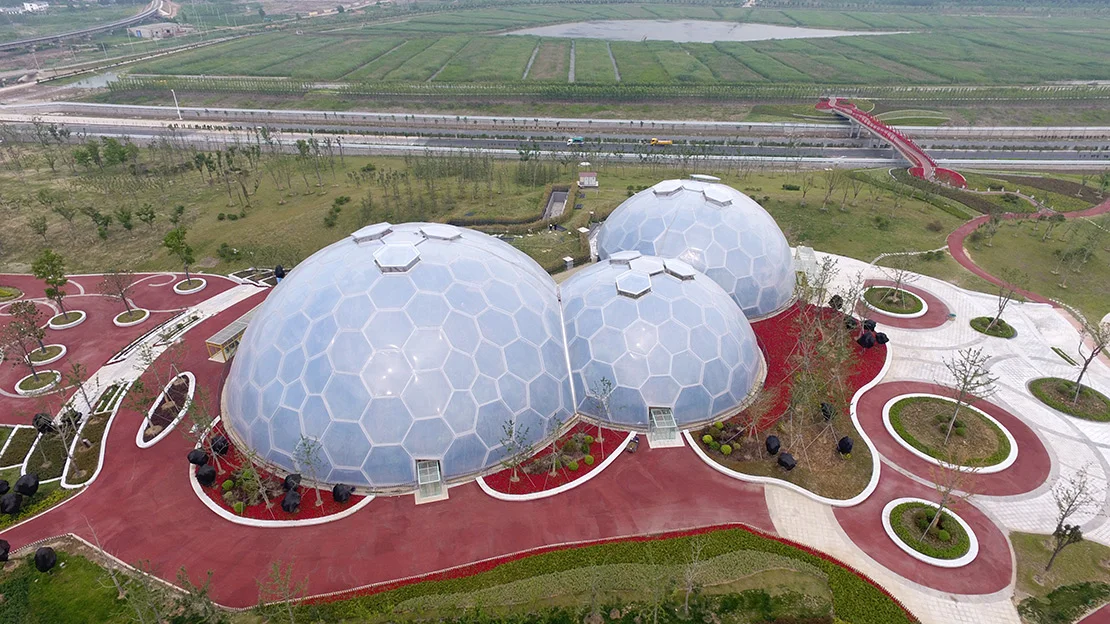
Lianyungang Greenhouse: Three-Layer ETFE Cushions for an Enclosed Space
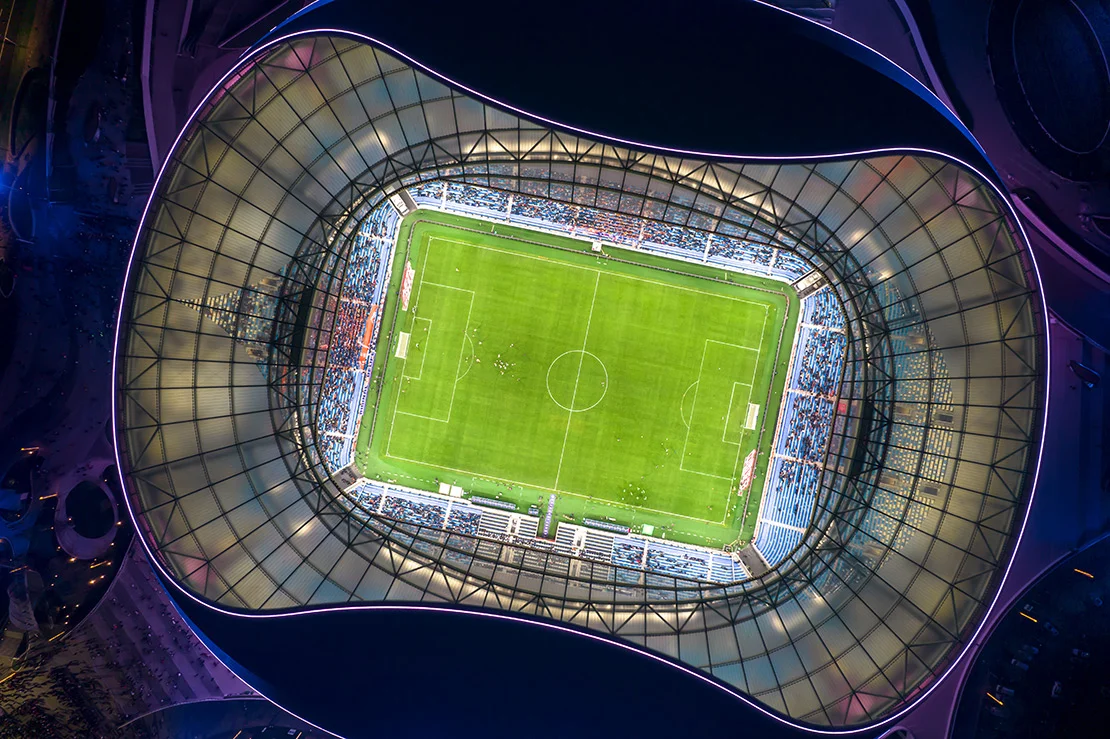
The Lianyungang ETFE greenhouse project uses 298 three-layer ETFE cushion units arranged across its domed roof. The enclosed greenhouse and exhibition environment need to consider daylight, indoor conditions, and the roof’s distinctive shape.
It is a practical example of why multi-layer cushions are considered for enclosed buildings. Their air chambers offer more thermal insulation than a single foil layer, while the roof remains light-transmitting.
Dongguan Civic Center: ETFE Cushions for an Existing Roof Retrofit
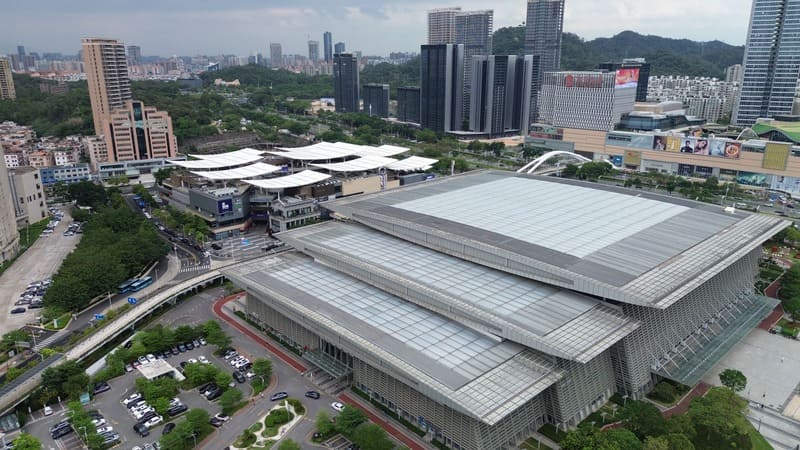
At the Dongguan Civic Center ETFE air cushion roof project, Yexing applied an inflated ETFE cushion roofing system as part of a public-building roof renovation. The project involved replacing deteriorated metal roof elements with lightweight ETFE cushions and coordinating new work with the existing structure.
This example shows that ETFE cushions are also used in roof retrofits—not only in new atriums or greenhouses. For such projects, a practical comparison must include weather protection during installation, interface detailing, and access to the inflation equipment.
How to Choose the Right ETFE Roof for Your Project
The right ETFE roofing system depends on what the building needs to do, not on which option sounds more advanced. Before asking for prices, work through these questions:
- Building use: Is the space open, semi-open, or fully enclosed and air-conditioned?
- Thermal and daylight goals: Do you need insulation, shading, glare control, or mostly rain protection?
- Climate: Will the roof face heavy rainfall, typhoons, intense sun, or high wind loads?
- Budget: Does your comparison include structural supports, installation, controls, and future running costs?
- Maintenance access: Can the owner safely inspect the film, fixings, and—if applicable—inflation equipment?
Consider single-layer ETFE for open or semi-open roofs with limited insulation requirements. Compare two- or three-layer ETFE cushions for enclosed, temperature-controlled spaces. For buildings with different needs in different zones, ask whether a combined system is feasible.
Your final choice should be confirmed against the architectural drawings, local wind and rain loads, fire requirements, and a project-specific engineering assessment.
For an overview of the available material and configuration options, see Yexing’s ETFE membrane systems before requesting a project-specific design proposal.
Conclusion
Single-layer ETFE and ETFE cushions both offer lightweight, light-transmitting roof solutions—but they answer different design needs. A tensioned single layer can be a good fit for open, daylight-focused canopies, while insulated ETFE cushions are often better suited to enclosed spaces requiring stronger temperature control. In some projects, the two systems can work together.
Before committing to a roof, compare your building use, local climate, span, daylight goals, full installed cost, and maintenance arrangements. The right ETFE roof is the one that performs well for your project over time—not necessarily the one with the most layers.
Need help choosing the right ETFE roof?
Share your project location, drawings, approximate roof area, and performance requirements with Yexing. Our team can discuss suitable single-layer, cushion, or hybrid configurations for your project.
FAQ
Yes, both systems can be engineered for severe weather, provided the entire roof meets the site’s design loads and applicable codes. Performance depends on the film, supporting structure, perimeter fixings, drainage, and—on cushion roofs—pressure stability. Typhoon-prone projects require particular attention to wind uplift, connections, and stormwater drainage.
Usually not. Some small punctures or tears can be repaired locally by qualified technicians. If an ETFE cushion is badly damaged, its design may allow one cushion unit to be replaced without replacing the entire roof. The correct repair method depends on the damage, access conditions, and the specific fixing system.
Both use weather-resistant ETFE foil, and some suppliers anticipate service lives of 30 years or more under appropriate conditions. Actual service life depends on the product, climate exposure, detailing, and upkeep. Cushion-roof owners must also plan for inspection and eventual replacement of inflation-system components and seals.
They can be. Raindrops striking tensioned ETFE film may be audible, and some inflated cushion roofs can produce a noticeable drumming effect. The result depends on the roof shape and acoustic design. For noise-sensitive spaces, consider an acoustic assessment and, where needed, a dedicated rain-noise suppression layer.
They use the same general type of ETFE film, but the fire performance of a complete roof assembly cannot be assumed from the material name alone. Ask for the proposed foil’s test reports and assess the entire roof against local fire, smoke-control, and building regulations. The final requirements may vary by building use and roof construction.

She has over 20 years of experience in tensile membrane structure design, engineering, and manufacturing, with extensive expertise in delivering custom solutions for commercial and architectural projects.